

Table of Contents
-
Introduction to Premium Sourcing
-
Why Learning How to Choose Shell Buttons for Apparel Matters
-
Key Selection Criteria for Garment Manufacturing
-
Selecting the Right Material
-
Evaluating Thickness and Size
-
Matching the Color Tone
-
Assessing Overall Durability
-
-
Expert Tips for Sourcing Managers
-
Conclusion
Choosing the right accessories fundamentally improves overall garment quality and brand perception. When fashion brands correctly choose shell buttons for apparel, they elevate a standard piece of clothing into a premium, luxury item.
Navigating the wide variety of natural accessories can be challenging for sourcing managers and fashion designers. This comprehensive guide from Tuấn Hiền Factory will explain the critical factors you must consider to ensure your final product meets the highest industry standards.
Why Learning How to Choose Shell Buttons for Apparel Matters
Trims and accessories are never just an afterthought in high-end fashion design. They are the functional and aesthetic anchors of a garment. Understanding how to choose shell buttons for apparel allows designers to control the final look, feel, and longevity of their collections.
A mismatch between the fabric weight and the button can ruin the drape of a delicate silk blouse or cause a heavy winter coat to look cheap. By mastering this selection process, apparel manufacturers can reduce material waste, avoid production delays, and significantly boost consumer satisfaction.
Key Selection Criteria for Garment Manufacturing
To successfully choose shell buttons for apparel, you must evaluate four primary technical criteria. Each element plays a crucial role in the manufacturing process and the garment’s final presentation.
Selecting the Right Material
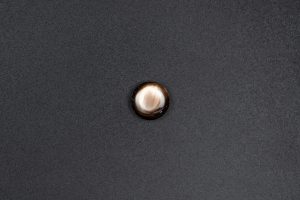
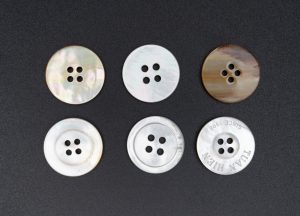
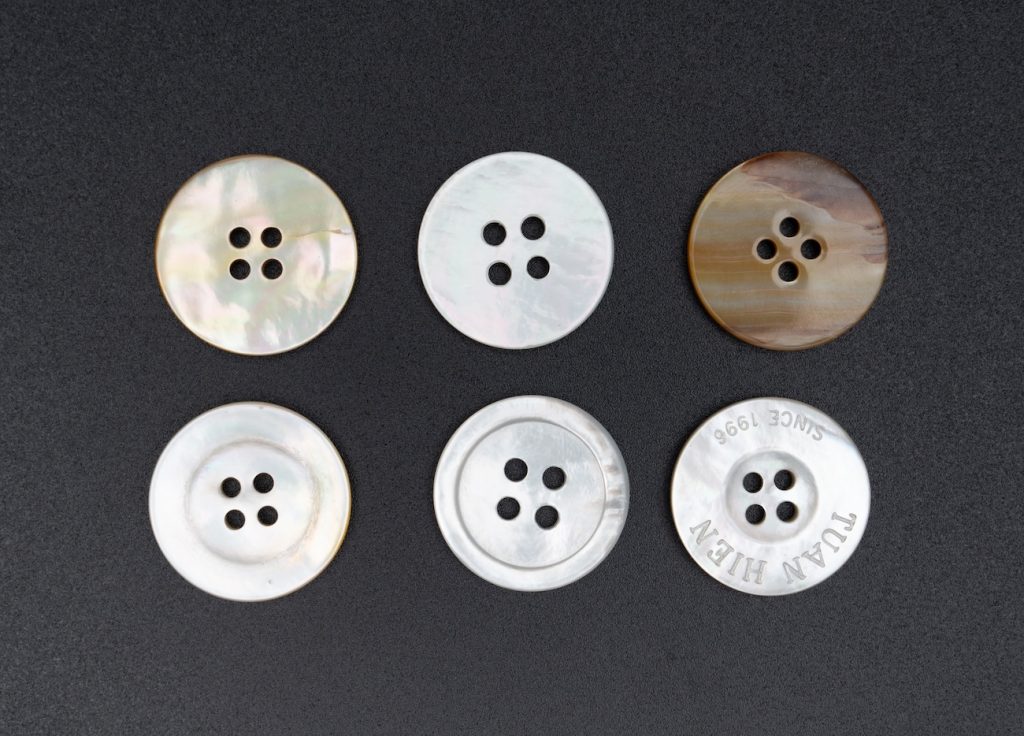
The foundation of your choice lies in the raw material. Nature provides several distinct types of shells, each with its own characteristics:
-
Mother of Pearl (MOP): The most luxurious option. It possesses a deep, mesmerizing iridescence. It is ideal for high-end bespoke tailoring and luxury dress shirts.
-
River Shell (Agoya): A highly economical choice. It features a subtle glow and a lightweight profile, making it perfect for mass-market blouses and lightweight summer dresses.
-
Trocas Shell: Known for its sturdy build and beautiful off-white appearance. It is widely used for premium casual wear, including Oxford shirts and light jackets.
To understand how different fabrics require different structural supports, read this detailed overview of clothing construction and textile manufacturing.
Evaluating Thickness and Size
When you choose shell buttons for apparel, thickness is a vital dimension. Thin buttons (around 1.5mm – 2mm) are necessary for lightweight fabrics to prevent the buttonhole from sagging. Conversely, heavy wool coats or thick denim jackets require much thicker buttons (3mm and above) to visually balance the garment and provide a sturdy grip. Size, measured in Ligne (L), must also be precisely matched to the automated button-attaching machines used in your facility.
Matching the Color Tone
Natural shells offer beautiful, organic color variations. MOP tends to have a brilliant white or slightly smoky hue, while Trocas often features a clean off-white face with a patterned back. If your design requires a specific Pantone match, you must consider custom dyeing. Natural shells absorb eco-friendly dyes exceptionally well, allowing you to maintain that signature iridescent glow while perfectly matching your seasonal fabric swatches.
Assessing Overall Durability
A garment must withstand the test of time. Therefore, when you choose shell buttons for apparel, durability is non-negotiable. Natural shells are inherently strong, but they must be properly processed. They need to resist the harsh chemicals of dry cleaning, the extreme heat of industrial ironing presses, and the physical stress of daily wear. High-quality polishing and careful sorting at the factory level ensure that only the most resilient buttons make it to your sewing line.
Expert Tips for Sourcing Managers
Always request physical samples before placing a bulk order. Touching the button and placing it against your fabric swatch is the only way to truly verify the weight and luster. Additionally, discuss your specific washing instructions with your supplier to ensure the chosen material can handle the garment’s care requirements.
Need to check our available sizes and materials? Head over to our Shell Button Catalog Download page to view the full specifications.
Conclusion
Knowing how to choose shell buttons for apparel is a strategic skill that directly impacts the success of a fashion collection. By carefully considering the material type, thickness, color, and durability, you guarantee a flawless finish for your garments. Trust Tuấn Hiền Factory to supply the finest natural accessories tailored to your exact manufacturing needs. Contact us today for expert sourcing advice!


