

In fashion, a button is a very small detail. But sometimes, that small detail says a lot about the quality, intention, and character of a garment.
A beautiful shirt, a well-made cardigan, a clean blazer, or a premium coat is not completed by fabric and stitching alone. It is also completed by the details the wearer touches every day. A button is one of those details.
When buyers choose buttons for apparel, the question should not only be: “Which one looks better?”
A better question is:
“Which material best fits the product, the customer segment, the wearing experience, and the production plan?”
Among natural buttons, three materials are often considered: Shell, Corozo, and Horn. All three have their own beauty. All three can create a more premium feeling than many synthetic buttons. But each material speaks a different language and serves a different product purpose.
Shell Buttons: Refined Beauty with Natural Light
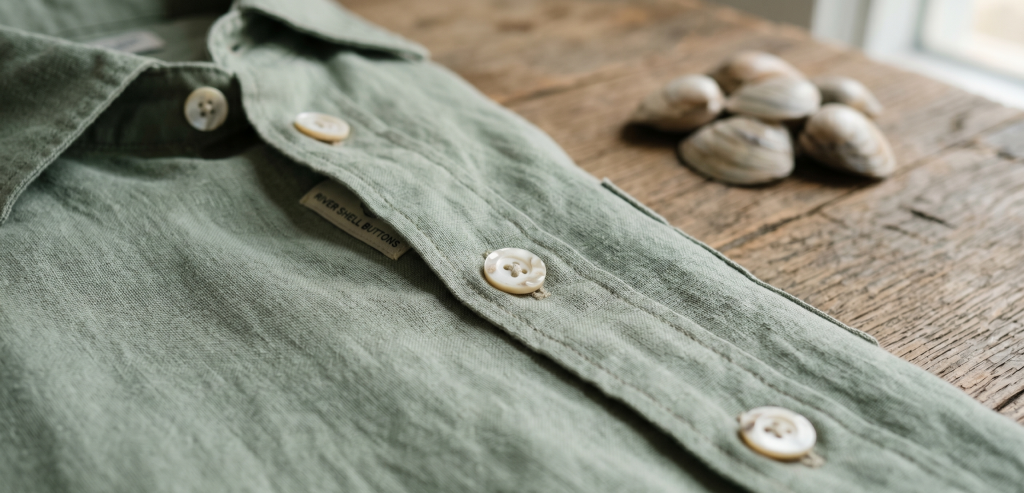
Shell buttons are loved for their special natural shine. It is not a loud or artificial shine. It is soft, clean, and full of depth. When placed on a white shirt, a linen garment, or a premium apparel product, shell buttons often make the piece feel more refined and complete.
Shell is especially suitable for shirts, premium shirts, luxury apparel, lightweight knitwear, womenswear, and garments that need a subtle but elevated detail. With materials such as MOP, Trocas, Agoya, River shell, and Abalone, buyers can choose different levels of shine, color, durability, and production stability.
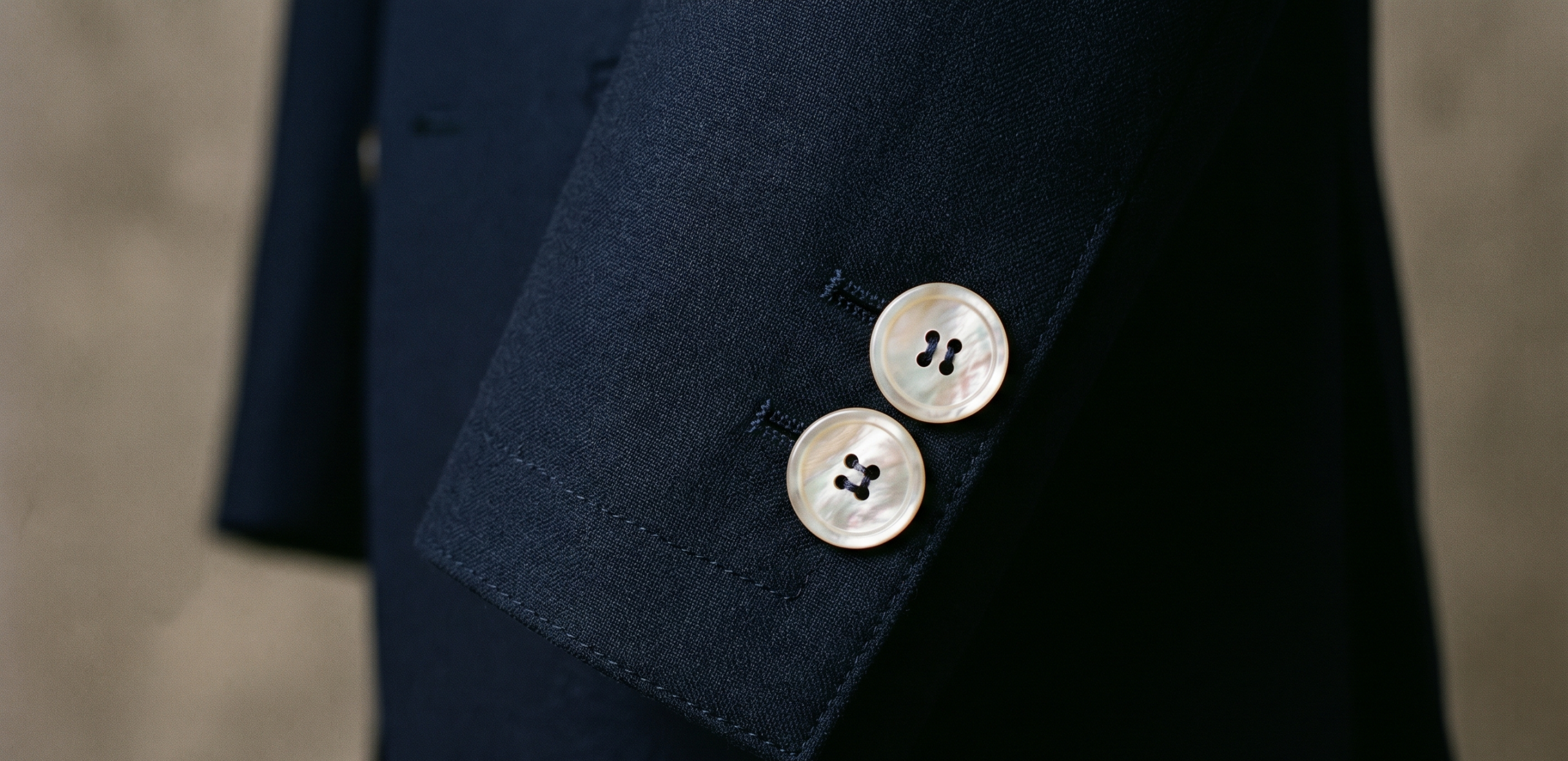
If your product needs a clean, elegant, and naturally premium feeling, shell is a strong choice. A good shell button does not need to attract too much attention. When it is placed on the right fabric, in the right size and finish, it quietly improves the entire garment.
However, because shell is a natural material, buyers should pay attention to batch consistency, thickness, finish, edge quality, hole position, and QC standards. For large orders, this is very important. A button should not only look good in the first sample. It must also remain stable in bulk production.
In short, shell buttons are suitable when a brand wants a refined, natural, premium detail that does not feel heavy or excessive.
Corozo Buttons: Natural, Sustainable, and Practical
Corozo buttons are made from tagua nut, often called vegetable ivory. It is a natural material with a light, warm, and approachable feeling. It is also a strong option for brands that care about sustainability.
If shell gives a garment light and refinement, Corozo gives it a more grounded and natural character. Corozo can also be dyed well, which makes it useful for collections that need specific colors or better color matching with the garment design.
Corozo is often suitable for casualwear, sustainable fashion, shirts, trousers, jackets, workwear, lifestyle apparel, and brands that want to tell a modern story around natural materials.
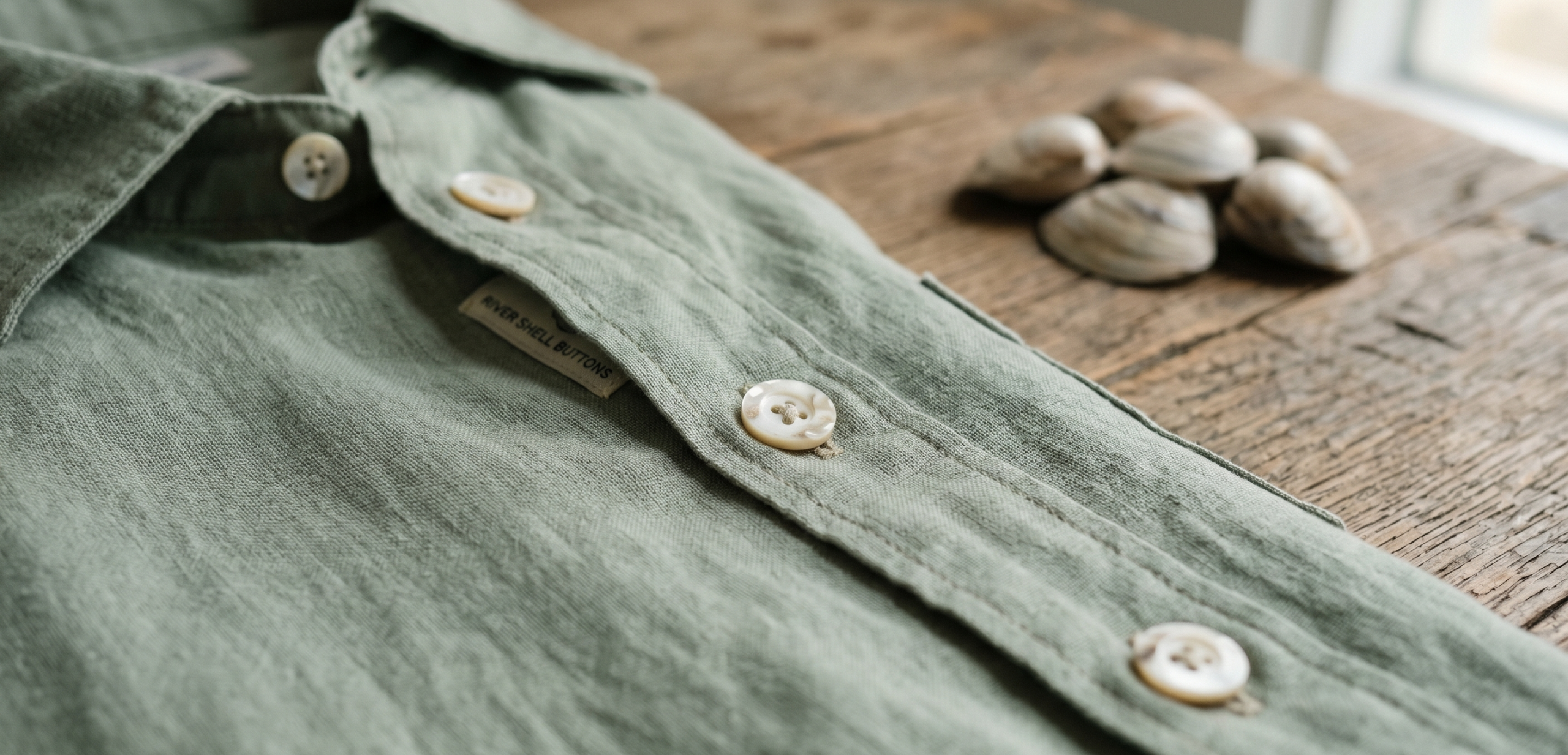
One of Corozo’s strengths is flexibility. It does not feel as luxurious as MOP, and it does not have the deep character of Horn. But that balanced nature makes it easy to use across many product categories.
For B2B buyers, Corozo is a good choice when the product needs a balance between natural material, color flexibility, cost, and bulk production.
If your brand wants to communicate sustainability, practicality, and a natural lifestyle feeling, Corozo is worth considering.
However, if the product needs the deeper natural shine of premium shirts or luxury apparel, Corozo may not create the same visual effect as shell.
Horn Buttons: Depth, Character, and a Stronger Mood
Horn buttons have a very different feeling. They carry natural depth, tone variation, and organic pattern. Each horn button can look slightly different, and that difference is part of its character.
Horn is suitable for products that need a stronger, more grounded, and more mature feeling. It works well for tailoring, blazers, coats, jackets, menswear, luxury outerwear, and garments that need a detail with more visual weight.
If shell feels refined and light, and Corozo feels natural and approachable, Horn feels deeper and more expressive. It does not try to make the garment brighter. It gives the garment more character.
Horn is especially suitable for masculine designs, tailoring, and premium outerwear. A good blazer, a wool coat, or a serious menswear piece can feel more complete when paired with the right horn buttons.
However, Horn is not always the best choice for lightweight products or items that require very strict visual consistency. Because natural horn can vary in color and pattern, buyers should define the acceptable tone, surface character, and consistency standard before bulk production.
So, Should You Choose Shell, Corozo, or Horn?
There is no single best material for every product. There is only the material that best fits your brand’s goal.
If you are making premium shirts, dress shirts, luxury apparel, or refined knitwear, shell buttons are often a very suitable choice. Shell gives the product a clean, elegant, and naturally elevated feeling.
If you are making casualwear, sustainable fashion, lifestyle apparel, or products that need color flexibility, Corozo is a practical choice. It is natural, adaptable, and aligned with brands that value sustainability.
If you are making blazers, coats, jackets, tailoring, or premium menswear, Horn brings more depth and charísmactic. It gives the product a stronger, more mature feeling.
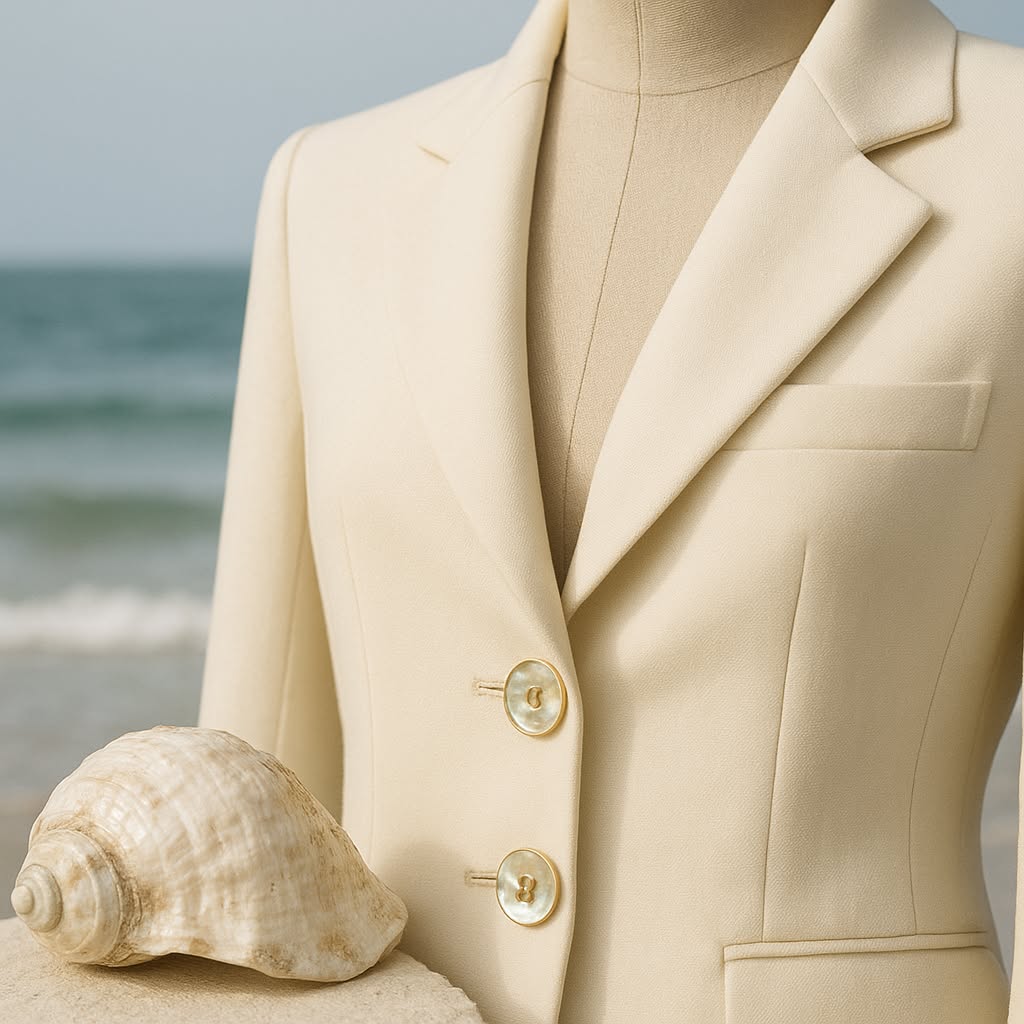
A simple way to think about it is:
Shell works best when you want refinement and quiet premium value.
Corozo works best when you want natural, sustainable, and practical appeal.
Horn works best when you want depth, character, and a stronger tailoring mood.
B2B Buyers Should Choose by Application, Not by Sample Alone
A common mistake is choosing a button only by looking at a loose sample. A button can look beautiful on a table but fail to match the actual garment.
That is why buyers should always begin with the product application.
Is the button for a shirt, knitwear, blazer, or coat?
Is the fabric light or heavy?
Is the product casual, premium, or luxury?
Does the brand need refinement, sustainability, or strong character?
Is this a one-time order or a repeat program?
Will the order need OEM/custom details, logo engraving, or special packaging?
Once these questions are answered, the right material becomes much easier to choose.
Each Material Has Its Own Voice
Material is not only a production input. In fashion, material is also a language.
Shell speaks through light. It feels clean, subtle, refined, and naturally elegant.
Corozo speaks through warmth and simplicity. It feels grounded, approachable, and connected to sustainability.
Horn speaks through depth. It feels stronger, darker, and more connected to tailoring and outerwear.
A good brand does not choose a material only because it is popular. A good brand chooses a material because it fits the spirit of the product.
QC and Production: Beauty Must Come with Stability
For B2B buyers, beauty is only one part of the decision. Production stability is what makes an order successful.
For shell buttons, buyers should check thickness, finish, edge quality, holes, color tone, and batch-to-batch consistency.
For Corozo buttons, buyers should check dye quality, colorfastness, surface consistency, and production stability in larger quantities.

For Horn buttons, buyers should pay attention to natural pattern, tone variation, thickness, surface quality, and suitability for the final garment.
If the order includes custom logo, laser marking, or special packaging, sample approval becomes even more important. A clear golden sample helps both the buyer and supplier follow the same standard during bulk production.
How Tuan Hien Can Support Buyers
For B2B buyers, choosing the right button is not only about choosing a beautiful detail. It is about choosing part of the product experience and part of the brand strategy.
Tuan Hien can support buyers in choosing suitable shell buttons based on product type, target market, aesthetic direction, and production requirements.
If buyers need buttons for premium shirts, luxury apparel, or knitwear, Tuan Hien can recommend shell options such as MOP, Trocas, Agoya, River shell, or Abalone based on size, thickness, finish, and QC standards.
When buyers send a clear RFQ with material, size, quantity, finish, packaging, and deadline, the consultation, quotation, and production process can become much more accurate.
Conclusion
Shell, Corozo, and Horn are not absolute competitors. They are three different materials for three different stories in fashion.
Shell is for refinement.
Corozo is for natural simplicity and sustainability.
Horn is for depth and character.
A good button should not only look beautiful by itself. It should fit the fabric, the silhouette, the wearer, the production standard, and the spirit of the brand.
In fashion, true luxury is often not found in something large or loud. It is found in small details chosen with care.
And sometimes, the right button can make the entire product feel more complete.


